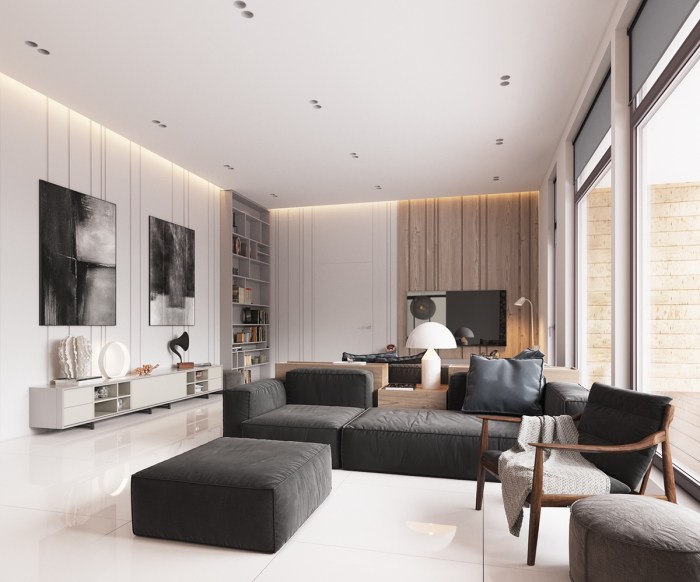
Embark on a journey into the world of Scandinavian Minimalist Design, where simplicity meets sophistication in a harmonious blend. From iconic designers to the influence of nature, discover the essence of this timeless aesthetic.
Explore the key principles, renowned designers, and the impact of nature on Scandinavian minimalist design, setting the stage for a captivating exploration of this design philosophy.
Scandinavian Minimalist Design
Scandinavian minimalist design is characterized by simplicity, functionality, and minimalism. It focuses on clean lines, muted colors, and a sense of openness and light.
Core Principles of Scandinavian Minimalist Design
- Functionality: Every design element serves a purpose and is practical.
- Simplicity: Designs are stripped down to their essential elements, avoiding unnecessary ornamentation.
- Natural Materials: The use of natural materials such as wood, leather, and stone is central to the design aesthetic.
- Lack of Clutter: Spaces are kept clutter-free to create a sense of calm and serenity.
Examples of Famous Scandinavian Minimalist Designers
- Arne Jacobsen: Known for his iconic Egg Chair and Swan Chair.
- Alvar Aalto: Renowned for his bentwood furniture designs and organic forms.
- Verner Panton: Famous for his use of bold colors and innovative lighting designs.
Influence of Nature on Scandinavian Minimalist Design
Nature plays a significant role in Scandinavian minimalist design, with designers drawing inspiration from the natural landscapes of the region. The use of natural materials, such as wood and stone, reflects the connection to the environment. Additionally, the emphasis on light and open spaces in Scandinavian design is inspired by the long winters and limited daylight in the region.
Minimalist Design
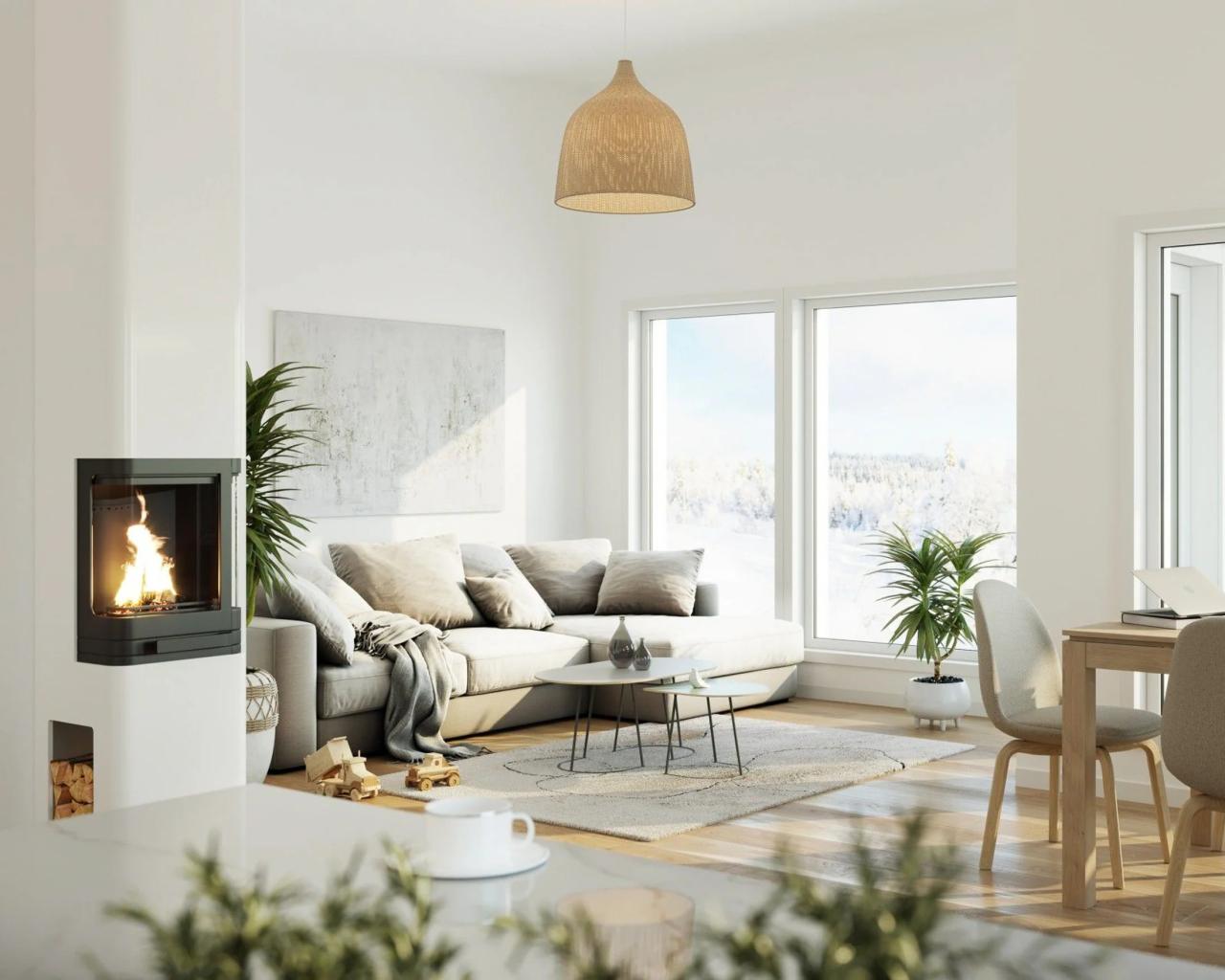
Minimalist design is a design approach that emphasizes simplicity and functionality while reducing elements to their essential forms. Key characteristics of minimalist design include clean lines, neutral color palettes, and a focus on open spaces to create a sense of calm and tranquility.
Comparison with Other Minimalist Styles
When comparing Scandinavian minimalist design with other minimalist styles, such as Japanese or Bauhaus, we can see differences in materials used, color schemes, and overall aesthetic. Scandinavian minimalist design tends to incorporate natural elements like wood and stone, whereas Japanese minimalism focuses on simplicity, balance, and the use of organic materials. Bauhaus minimalism, on the other hand, emphasizes geometric shapes, primary colors, and the idea of form following function.
Role of Simplicity in Minimalist Design Principles
Simplicity plays a crucial role in minimalist design principles by eliminating unnecessary elements and focusing on the essentials. This approach allows for a sense of clarity, order, and functionality in the design, creating a harmonious and uncluttered space. By embracing simplicity, minimalist design aims to reduce visual noise and promote a sense of peace and mindfulness in the environment.
Modern Classics
Modern classics in design refer to timeless pieces that have stood the test of time and continue to be revered for their simplicity, functionality, and elegance. These pieces often exhibit clean lines, minimalist aesthetics, and a focus on quality craftsmanship.
Scandinavian minimalist design has played a significant role in shaping modern classics, with its emphasis on clean and simple forms, neutral color palettes, and the use of natural materials. This design philosophy has influenced many iconic furniture pieces that are now considered modern classics.
Iconic Modern Classic Furniture Pieces
- The Egg Chair by Arne Jacobsen: This mid-century modern classic features a distinctive egg-shaped silhouette, sumptuous leather upholstery, and a swivel base. It has become a symbol of Danish design excellence.
- Eames Lounge Chair and Ottoman by Charles and Ray Eames: This iconic lounge chair set is known for its sleek profile, premium leather upholstery, and molded plywood frame. It embodies the essence of modern comfort and style.
- Poul Henningsen PH5 Pendant Lamp: Designed by Poul Henningsen, this pendant lamp is celebrated for its innovative layered shade design that eliminates glare and provides soft, diffused light. It remains a timeless lighting fixture in modern interiors.
- Wegner Wishbone Chair: Created by Hans J. Wegner, the Wishbone Chair is characterized by its sculptural frame, Y-shaped backrest, and handwoven paper cord seat. It exemplifies the perfect balance between form and function.
Modern Living
Scandinavian minimalist design is renowned for promoting a sense of calm and tranquility in modern living spaces. By embracing simplicity, clean lines, and a neutral color palette, this design style creates a serene atmosphere that encourages relaxation and mindfulness.
Use of Natural Materials
One key element of Scandinavian minimalist design is the use of natural materials to bring warmth and coziness to modern interiors. Wood, stone, and leather are commonly incorporated to add texture and a sense of connection to nature. These materials not only enhance the aesthetic appeal but also contribute to a welcoming and comfortable environment.
Incorporating Design Elements
- Opt for a neutral color scheme with pops of color for visual interest.
- Select furniture with clean lines and simple silhouettes to maintain a clutter-free look.
- Showcase natural textures like wool, linen, or sheepskin through throws, pillows, and rugs.
- Embrace natural light by keeping window treatments minimal and allowing sunlight to fill the space.
- Add greenery with potted plants or fresh flowers to bring life and freshness to the room.
In closing, Scandinavian Minimalist Design offers a sanctuary of calm and beauty, weaving together nature-inspired elements with modern simplicity to create spaces that exude elegance and serenity. Dive into this design ethos and transform your living spaces with a touch of Scandinavian flair.
Key Questions Answered
What are the core principles of Scandinavian minimalist design?
The core principles include functionality, simplicity, and minimalism, with an emphasis on clean lines and natural materials.
How does Scandinavian minimalist design contribute to modern classics?
Scandinavian minimalist design influences modern classics by infusing timeless elegance and functionality into contemporary design trends.
Can I incorporate Scandinavian minimalist design in small living spaces?
Absolutely! Scandinavian minimalist design is perfect for small spaces as it focuses on decluttering and maximizing functionality without sacrificing style.


