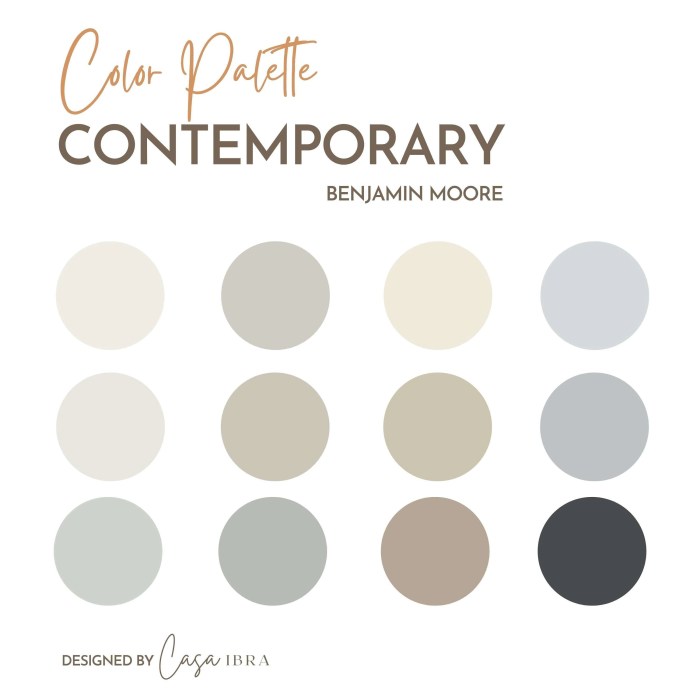
Embark on a journey into the world of modern classic color palettes, where timeless sophistication meets contemporary design, creating captivating spaces that exude elegance and charm. Explore the art of blending traditional elements with a modern twist, resulting in harmonious color combinations that elevate any environment.
Discover how these color palettes breathe new life into interior design, infusing spaces with a sense of refinement and style that stands the test of time. From subtle neutrals to bold accents, experience the magic of modern classic color palettes in transforming ordinary rooms into extraordinary showcases of beauty and sophistication.
Modern Classic Color Palettes
Modern classic color palettes combine timeless elegance with contemporary flair, creating a sophisticated and versatile look that never goes out of style.
Popular Color Combinations
Some popular color combinations used in modern classic design include:
- Black and White: A classic pairing that exudes sophistication and simplicity.
- Neutral Tones with a Pop of Color: Using shades of white, beige, or gray as a base and adding a vibrant color like navy blue or emerald green for contrast.
- Navy and Gold: A luxurious combination that adds warmth and richness to any space.
Significance of Color Palettes
Color palettes play a crucial role in creating a modern classic look by setting the tone, enhancing the overall aesthetic, and evoking a sense of timelessness and elegance.
Enhancing Spaces with Modern Classic Color Palettes
Modern classic color palettes can transform a space by adding sophistication, balance, and a touch of luxury. For example, using a neutral color scheme with rich accents like deep blue or burgundy can create a sense of understated elegance in a living room or bedroom.
Minimalist Design
Minimalist design is a design approach that emphasizes simplicity and functionality by stripping away unnecessary elements. Key characteristics of minimalist design include clean lines, simple color palettes, ample open space, and a focus on essential elements.
Comparison with Modern Classic Design
Modern classic design incorporates elements of traditional design with a contemporary twist, often featuring rich textures, ornate details, and a more formal aesthetic. In contrast, minimalist design focuses on minimalism and simplicity, favoring clean, uncluttered spaces and a more understated look.
Role of Color Palettes in Minimalist Design
Color palettes play a crucial role in minimalist design by creating a sense of harmony, balance, and visual interest without overwhelming the space. Neutral colors like white, beige, gray, and black are commonly used in minimalist design to create a calming and cohesive environment.
Examples of Minimalist Design with Modern Classic Color Palettes
- A minimalist living room featuring a modern classic color palette of soft beige, muted gold, and charcoal gray. The clean lines of the furniture and the lack of clutter create a serene and elegant space.
- A minimalist kitchen with a modern classic color palette of crisp white, navy blue, and brass accents. The sleek cabinetry and minimalist decor enhance the timeless appeal of the space.
- A minimalist bedroom with a modern classic color palette of pale pink, dove gray, and rich walnut. The simple furniture and minimal accessories create a sophisticated and relaxing retreat.
Modern Classics
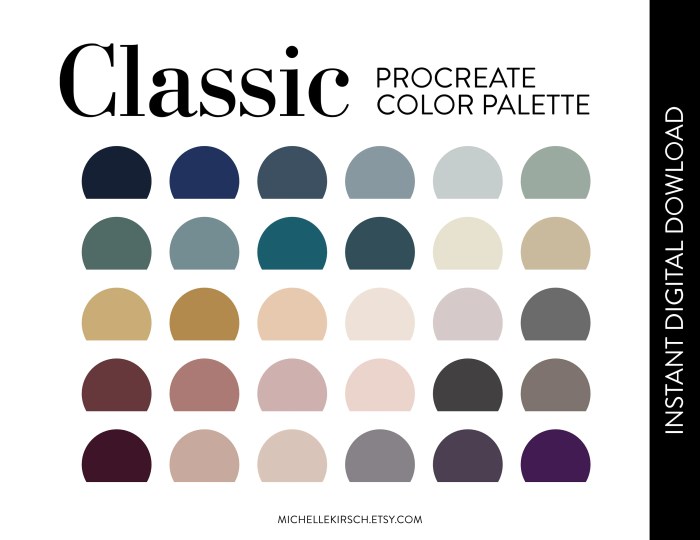
In interior design, modern classics refer to a timeless style that combines contemporary elements with traditional influences. This fusion creates a sophisticated and elegant look that stands the test of time.
Key elements that define modern classics include clean lines, neutral color palettes, and a focus on simplicity and functionality. These design principles contribute to a sense of balance and harmony in the space, showcasing a blend of old and new.
Evolution of Modern Classic Style
Modern classic style has evolved over time to adapt to changing design trends and preferences. Initially rooted in the mid-20th century modernist movement, it has since incorporated elements from various design eras to create a cohesive and versatile aesthetic.
- Integration of contemporary materials: Modern classic interiors now feature a mix of materials such as glass, metal, and concrete alongside traditional wood and fabrics.
- Emphasis on comfort: While maintaining a timeless appeal, modern classics now prioritize comfort and livability, ensuring that the space is not only visually pleasing but also functional.
- Personalization through color: Unique color palettes are often used in modern classic interiors to add a touch of individuality and personality, breaking away from the traditional neutral schemes.
Examples of Modern Classic Interiors
Examples of modern classic interiors with unique color palettes include:
- A modern classic living room featuring a combination of navy blue, mustard yellow, and emerald green accents against a backdrop of neutral whites and grays.
- A modern classic kitchen with a monochromatic color scheme of black and white, enhanced by subtle hints of gold and marble textures for a luxurious feel.
- A modern classic bedroom showcasing a palette of soft pastels like blush pink, mint green, and lavender, creating a serene and calming atmosphere.
Modern Living
Modern living in interior design revolves around creating functional and stylish spaces that reflect contemporary lifestyles. This design concept emphasizes simplicity, clean lines, and a minimalistic approach to decor.
How Modern Living Spaces Incorporate Modern Classic Color Palettes
Modern living spaces often incorporate modern classic color palettes by using a neutral base combined with pops of color for visual interest. These color palettes typically include timeless shades like whites, grays, beiges, and blacks, which create a sophisticated and elegant look.
The Importance of Color Schemes in Creating a Modern Living Environment
- Color schemes play a crucial role in creating a modern living environment as they set the overall tone and mood of the space.
- By carefully selecting modern classic color palettes, designers can achieve a cohesive and harmonious look that complements the contemporary style of the space.
- Colors can also influence the perception of space, making it appear larger, cozier, or more inviting, depending on the chosen palette.
Tips on How to Integrate Modern Classic Color Palettes into Modern Living Spaces Effectively
- Start with a neutral base like white or beige for walls and large furniture pieces.
- Add pops of color through accessories, accent walls, or artwork to create visual interest.
- Consider the natural light in the space when choosing colors to ensure they look their best throughout the day.
- Experiment with different textures and finishes within the modern classic color palette to add depth and dimension to the design.
As we conclude our exploration of modern classic color palettes, we are reminded of the enduring allure and versatility of these timeless combinations. From chic minimalism to opulent grandeur, these color palettes continue to inspire and define the essence of sophisticated design. Embrace the legacy of modern classics in your own spaces, and let the colors tell a story of elegance and grace that transcends trends and fads.
Expert Answers
How do modern classic color palettes differ from traditional color schemes?
Modern classic color palettes blend timeless hues with contemporary tones, creating a harmonious balance between old-world charm and modern sophistication.
Can modern classic color palettes work in small spaces?
Absolutely! Modern classic color palettes can actually enhance small spaces by adding depth and character without overwhelming the room.
Are there specific rules for combining colors in modern classic design?
While there are no strict rules, it’s essential to maintain a cohesive color scheme by balancing light and dark tones for a harmonious look.


