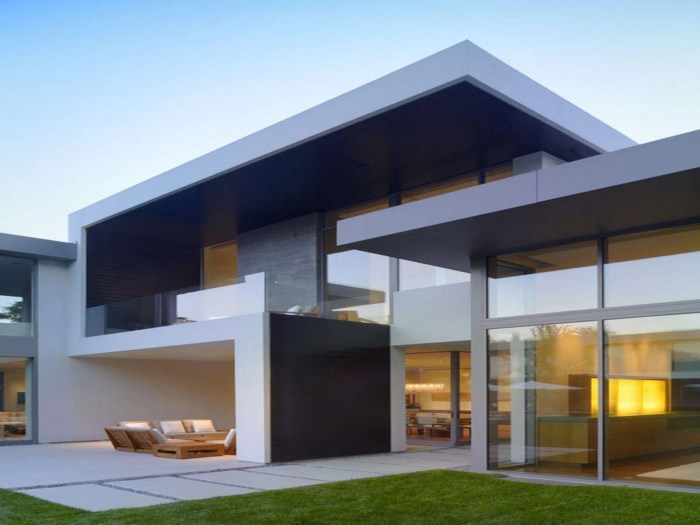
Exploring the essence of Minimalist Design in Architecture, this introduction delves into the core principles and impact of this style on architectural spaces worldwide.
From iconic structures to contemporary trends, discover how minimalist design transforms living environments and elevates aesthetics.
Minimalist Design in Architecture
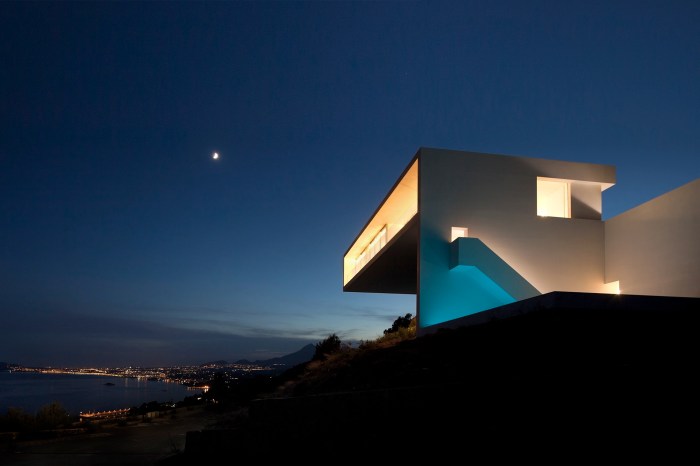
Minimalist design in architecture is a design approach that emphasizes simplicity and the removal of unnecessary elements to achieve a clean, streamlined look. It focuses on essential elements and the use of basic geometric forms, neutral colors, and simple materials to create spaces that are visually appealing and functional.
Key Principles of Minimalist Design in Architecture
- Minimalist design emphasizes simplicity and clarity in form and function.
- It focuses on reducing elements to their essential qualities.
- Minimalist architecture often incorporates open spaces and natural light to create a sense of openness and tranquility.
- The use of basic geometric shapes, clean lines, and a limited color palette are common in minimalist design.
Impact of Minimalist Design on Architectural Spaces and Aesthetics
- Minimalist design creates a sense of calm and order in architectural spaces.
- It promotes a focus on the quality of materials and craftsmanship rather than decorative elements.
- Minimalist architecture can make spaces feel larger and more spacious due to the emphasis on simplicity and openness.
- The clean and uncluttered aesthetic of minimalist design can evoke a sense of elegance and sophistication.
Examples of Iconic Minimalist Architectural Structures Around the World
- Barcelona Pavilion by Ludwig Mies van der Rohe in Barcelona, Spain
- Tadao Ando’s Church of the Light in Osaka, Japan
- John Pawson’s Novy Dvur Monastery in Czech Republic
- The Louvre Pyramid by I.M. Pei in Paris, France
Modern Classics
Modern classic architectural design is characterized by a blend of traditional elements with contemporary features. It emphasizes simplicity, clean lines, and a minimalistic approach while incorporating timeless elements that give a sense of sophistication and elegance.
Comparison with Other Architectural Styles
Modern classic architecture differs from other styles like modernism by incorporating more traditional elements such as columns, arches, and symmetrical facades. In contrast to postmodern architecture, modern classics maintain a more restrained and understated aesthetic, focusing on timeless elegance rather than playful or eclectic designs.
Influence on Contemporary Design Trends
- Modern classic architecture has influenced contemporary design trends by emphasizing the importance of simplicity, functionality, and timeless elegance.
- Many contemporary architects draw inspiration from modern classics to create buildings that blend traditional and modern elements seamlessly.
- The focus on clean lines, minimalistic design, and quality materials in modern classics continues to shape the architectural landscape of today.
Famous Architects in Modern Classic Architecture
| Architect | Contribution |
|---|---|
| Ludwig Mies van der Rohe | Known for his minimalistic approach and famous for the phrase “less is more.” |
| Le Corbusier | Pioneered modern classic design principles with his innovative use of materials and open floor plans. |
| Eero Saarinen | Renowned for his iconic, sculptural designs that blend modern and classic elements harmoniously. |
Modern Living
In modern living, minimalist design principles play a crucial role in creating functional and aesthetically pleasing spaces that enhance the overall quality of life for residents. By focusing on simplicity, clean lines, and a clutter-free environment, minimalist design can transform living spaces into tranquil retreats that promote well-being and mindfulness.
Enhancing Modern Living Spaces
- Minimalist design promotes a sense of calm and relaxation by reducing visual clutter and unnecessary decorations in living spaces.
- The emphasis on clean lines and open spaces creates a sense of flow and harmony, making it easier to navigate and enjoy the space.
- Minimalist design encourages residents to focus on what truly matters to them, leading to a more intentional and purposeful way of living.
Benefits of Minimalist Design in Residential Architecture
- Minimalist design maximizes space efficiency, making even small living areas feel more spacious and open.
- By reducing the number of materials and decorations used, minimalist design can lower construction costs and maintenance efforts in residential architecture.
- Minimalist design promotes sustainability by emphasizing quality over quantity, leading to long-lasting and timeless architectural solutions.
Minimalist Design and Sustainability in Modern Living
- Minimalist design encourages a more mindful approach to consumption and waste, aligning with sustainable living practices.
- The focus on durability and functionality in minimalist design ensures that residential spaces are built to last, reducing the need for frequent renovations and replacements.
- By choosing high-quality materials and energy-efficient solutions, minimalist architecture can contribute to a more eco-friendly and sustainable lifestyle.
Incorporating Minimalist Design Elements into Everyday Living Spaces
- Start by decluttering and organizing your living space to create a clean and minimalist environment.
- Choose furniture and decor pieces with simple and sleek designs that complement the overall minimalist aesthetic.
- Focus on natural light and open spaces to enhance the feeling of airiness and tranquility in your daily living areas.
In conclusion, Minimalist Design in Architecture offers a timeless and sleek approach to modern living, blending simplicity with functionality to create truly remarkable spaces.
FAQ Overview
How does minimalist design impact architectural spaces?
Minimalist design creates a sense of openness and simplicity, enhancing the overall atmosphere of a space.
What are the benefits of incorporating minimalist design in residential architecture?
Minimalist design promotes a clutter-free environment, improves functionality, and enhances the visual appeal of residential spaces.
Is minimalist design sustainable in modern living?
Yes, minimalist design often focuses on using sustainable materials and efficient layouts, making it a popular choice for eco-friendly living.


